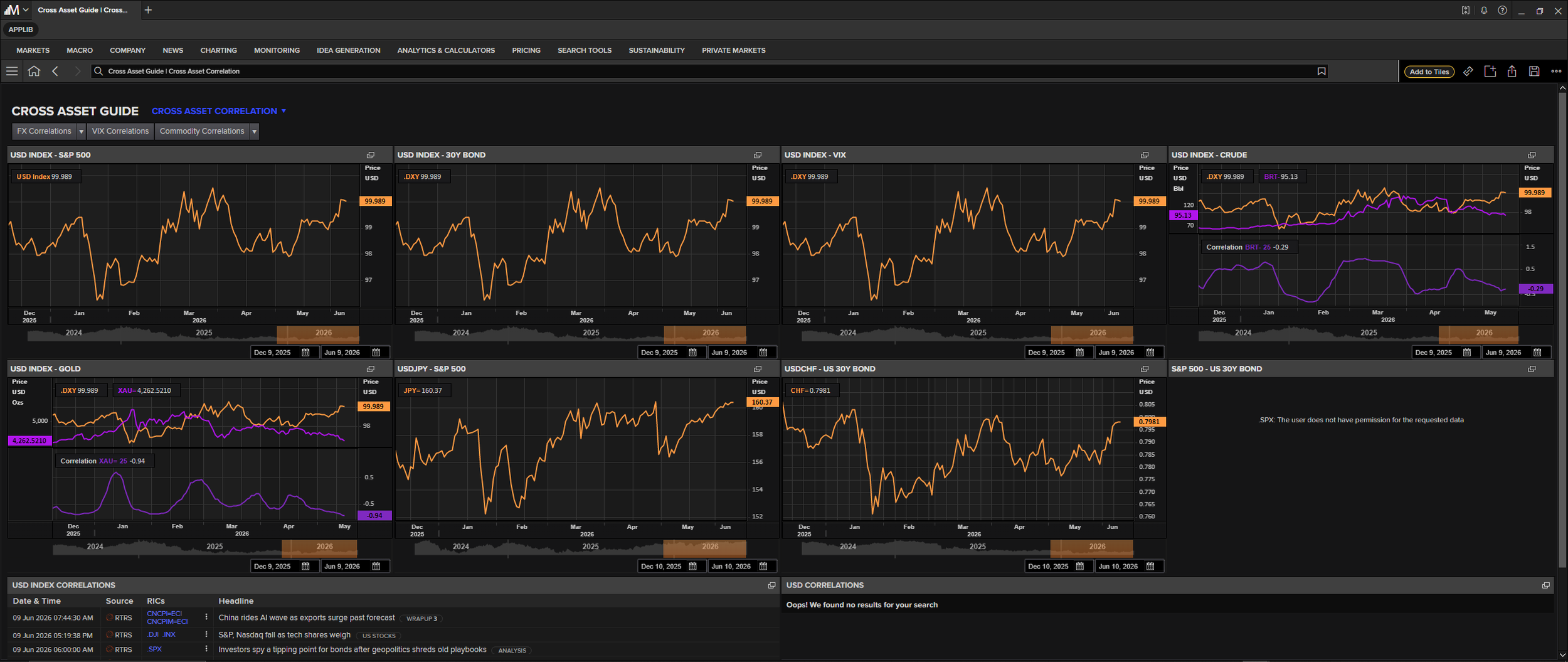
Markets move before balance sheets react
Turning market signals into strategic foresight.
Interest rates change the cost of risk
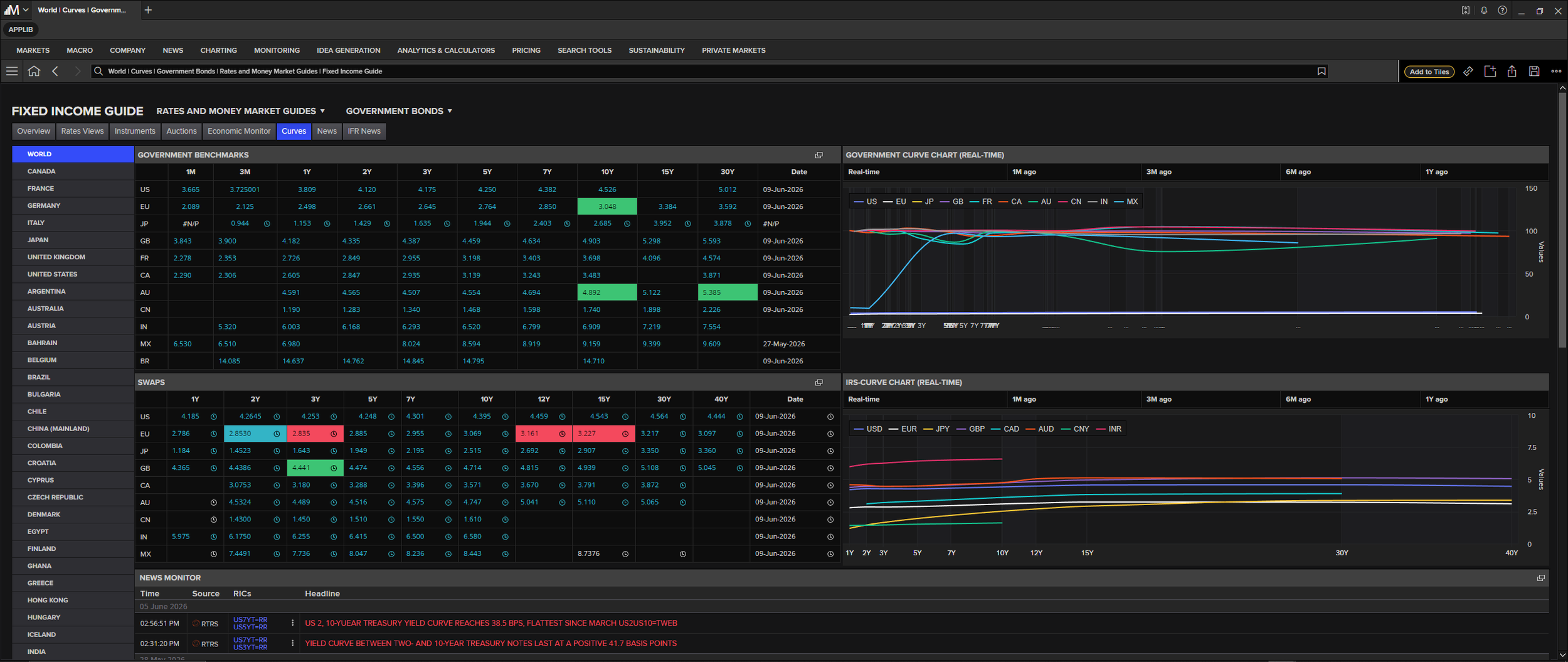
Central bank interventions dictate corporate financing mechanics, macro liquidity constraints, sovereign asset valuations, and structural risk transfer capacity.
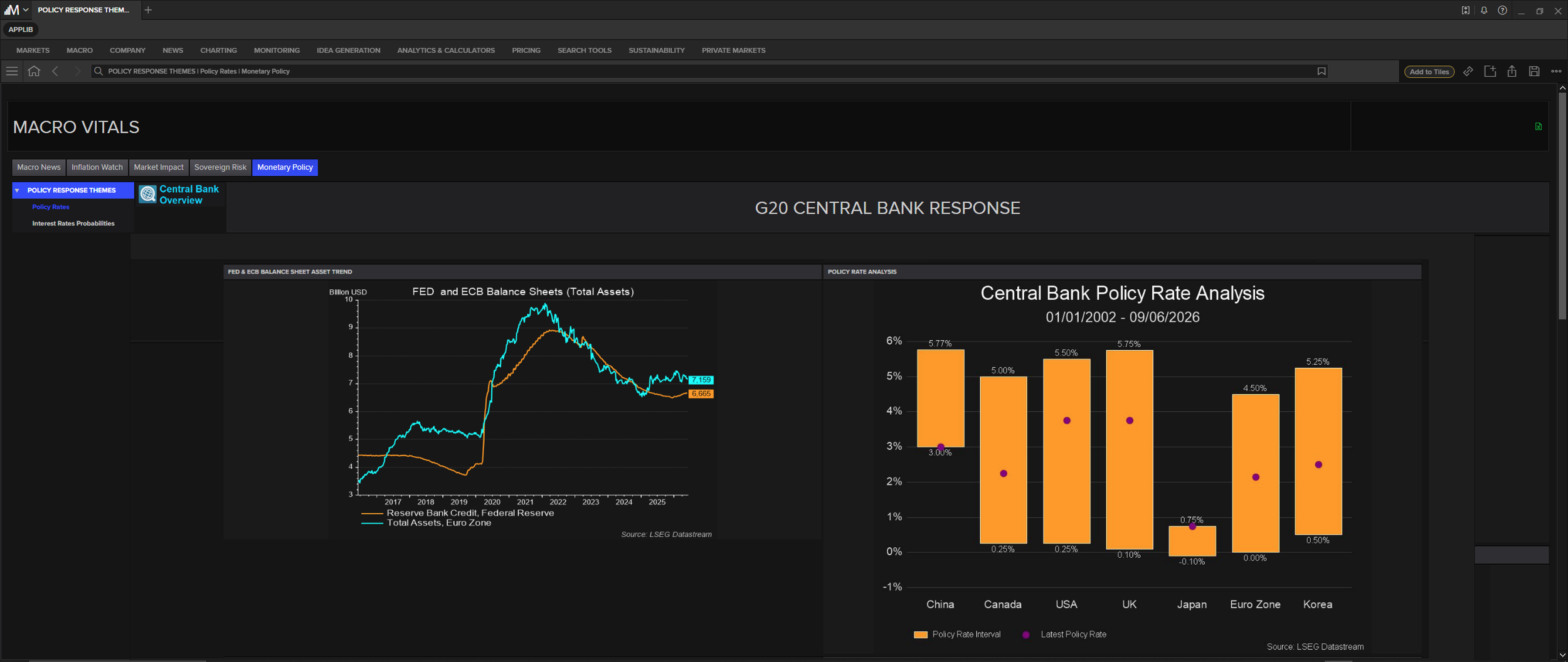
Macro conditions shape local resilience
Growth trajectories, inflationary cycles, credit spreads, and localized demand metrics dictate the structural limits of corporate risk retention.
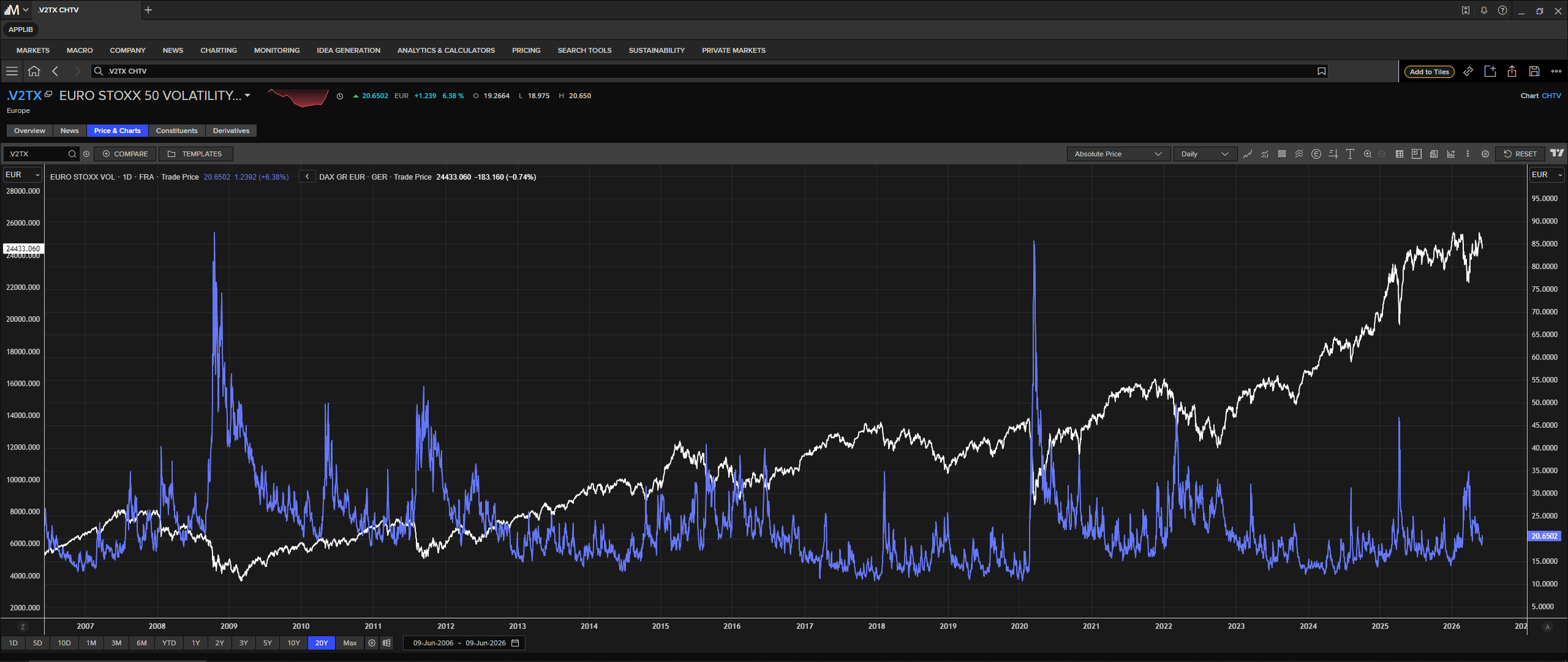
Stress travels through the financial system
Interbank volatility, credit spread expansion, equity market fractures, and sudden liquidity contractions compromise enterprise assets long before exposure triggers visible operational disruptions.
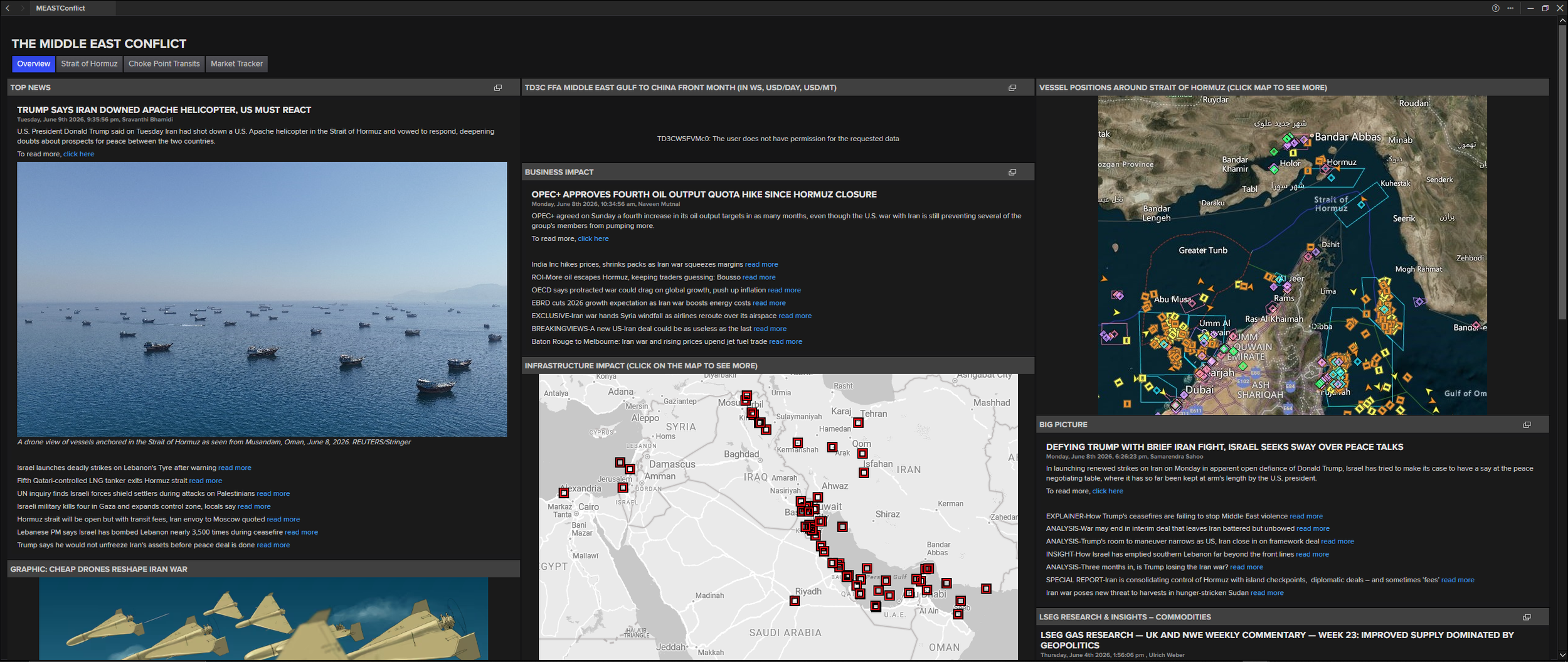
Global disruption becomes operational exposure
Tariffs, shipping constraints, supplier concentration and geopolitical friction turn global trade shifts into local business risk.
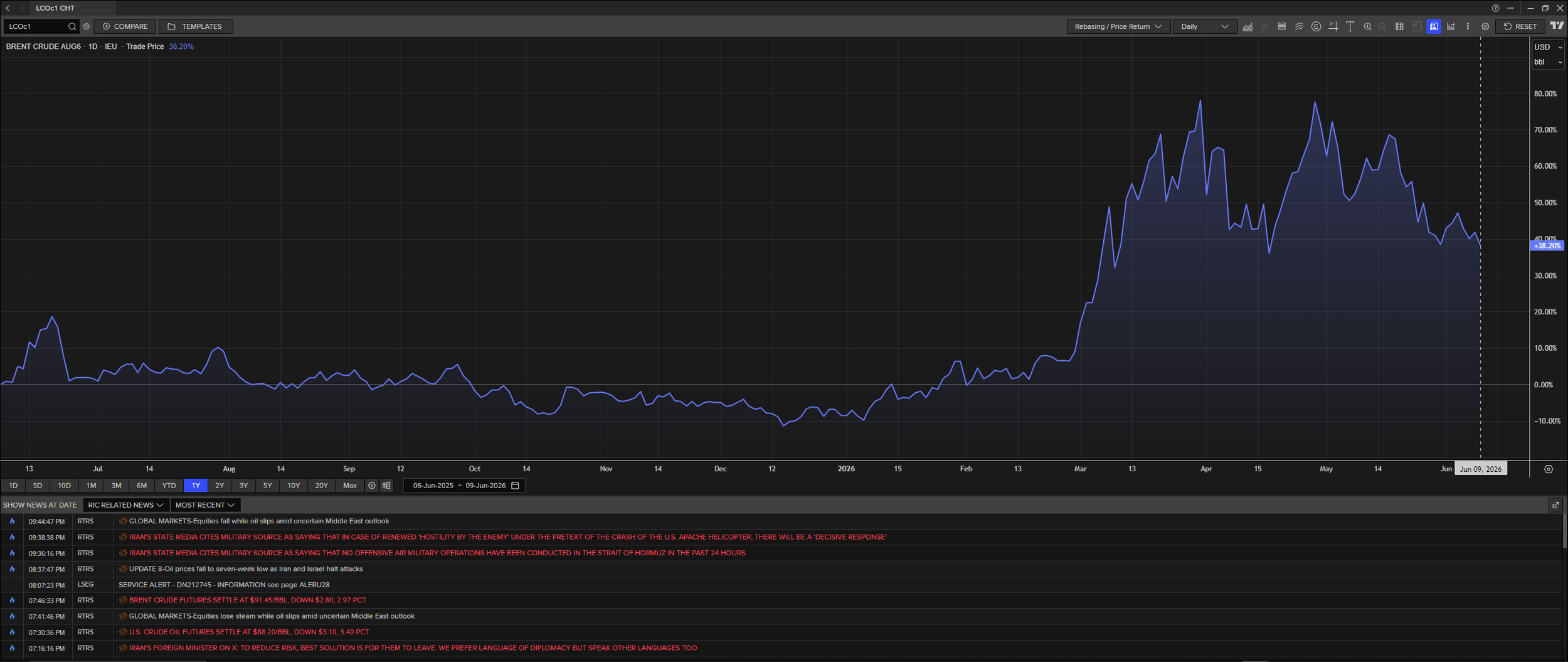
Input volatility moves through the enterprise
Energy benchmarks, raw commodities, and industrial input costs dictate operating margins, production continuity, contract structures, and systemic risk transfer parameters.